CLIENT NOTICES | Please visit www.spli.com/clientnotices for updated information regarding FLORIDA E-VERIFY REQUIREMENTS, ERC CLAIMS, and NO TAX ON TIPS OR OT.

Workers’ Compensation Coverage for Business Owners
Workers’ compensation coverage should protect your business, not create more administrative work. But for most business owners, it does exactly that. Claims drag on. Paperwork is confusing. And compliance can quickly become a nightmare.
At SouthEast Personnel Leasing, we’ve built things differently. Workers’ compensation coverage is provided through participating carriers and supported by in-house claims management and dedicated account executives who understand your business.
With SPLI, coverage works the way it should, while reducing the administrative burden.



Table of Contents
1. What is Workers’ Compensation?
2. Who Needs Workers’ Compensation Coverage
3. What Does Workers’ Compensation Cover?
4. How Much Does Workers’ Compensation Cost?
5. What Is Pay-As-You-Go Workers’ Compensation?
6. Workers’ Compensation for High-Risk Industries
7. Traditional Workers’ Comp vs Comp with A PEO
8. Choosing A Workers’ Compensation Provider
1. What is Workers’ Compensation?
Workers' compensation is a program that helps protect employees and employers when an employee is injured or becomes ill on the job.
For employees, it can help cover medical care, a portion of lost wages, rehabilitation support, and other benefits that may apply under state law.
For employers, it helps reduce the risk of direct lawsuits tied to covered workplace injuries while creating a formal process for reporting, managing, and resolving claims.
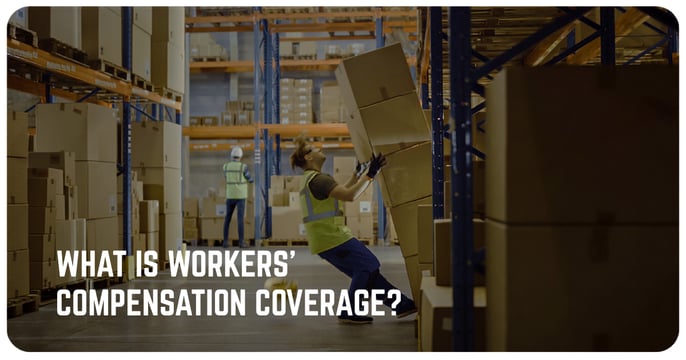
The injured employee needs care. The business may need replacement labor. The supervisor needs to document what happened. Payroll may need to coordinate wage information. The claim may affect future workers' comp rates.
One claim can touch every part of your business. And if your workers’ comp coverage isn’t set up properly, the administrative fallout can be more costly than the injury itself.
That’s especially true for physically demanding trades like construction, roofing, transportation, and others, where the margin for error is thin.
For business owners in higher-risk industries, workers' compensation is rarely just another line item on an insurance program’s coverage. It’s part legal requirement, part claims management process, part payroll and classification discipline, and part operational risk control.
Industries We Serve
For most business owners, the questions aren’t around whether workers’ comp is needed or not. They’re about how it works when something does go wrong.
Workers' Compensation vs. General Liability
Workers' compensation and general liability are not the same. Workers' compensation generally applies to employees who are injured or become ill because of work.
General liability typically covers third-party claims, such as customer injuries or property damage involving people outside your workforce.
A business owner should not assume one form of coverage replaces the other. Workers' comp helps cover workplace injuries, while general liability covers other kinds of business risks. Most employers need both, because the risks they address don’t overlap.
Workers' Compensation vs. Health Insurance Programs
Health insurance programs help employees pay for general medical needs unrelated to work. Workers' compensation is tied specifically to covered work-related injuries or illnesses.
If an employee is hurt while performing job duties, the claim usually needs to move through the workers' compensation process rather than a standard health plan.
Workers' compensation involves:
- Reporting rules
- Claim documentation
- Wage information
- Provider coordination
- Return-to-work decisions
This distinction matters because a workers’ comp claim is processed completely differently than a regular doctor’s appointment.
When an employee is hurt on the job, the claim generally moves through the workers’ compensation carrier rather than the employee’s health plan. That means separate reporting and documentation requirements to support the claim and the business.
Workers' Comp Isn’t Optional
Workers' compensation requirements vary by state, business structure, industry, and employee count. Some owners assume they are too small to need coverage. Others assume subcontractors or 1099 workers remove the need for coverage. Those assumptions can be a business-ending mistake. If an employee is seriously injured or killed, and you didn’t carry the required coverage, your business could be on the hook.
That means full medical bills, lost wages, damages, and state penalties. None of it will go through the carrier. A single fatality claim can run into the millions. Many small businesses wouldn’t survive that. And unlike a bad quarter or a lost contract, there’s no recovering from it if the coverage wasn’t there when it happened.
Read SPLI's article on whether you need a workers' compensation insurance program, then speak with a knowledgeable provider before work begins.
Before you hire your first employee, expand into another state, add subcontractors, or renew coverage, review your workers' compensation obligations.
2. Who Needs Workers’ Compensation Coverage?
Workers’ compensation rules are not based on one simple yes-or-no test. They can depend on where your business operates, how your business is structured, and who performs the work.
That means a sole proprietor, an LLC with members, a company with W-2 employees, and a business that relies on subcontractors may all face different coverage questions.
.png?width=420&height=221&name=Workers%20Comp%20PP%20(8).png)
The better question is not just, “Do I need workers’ comp?” It’s, “What does the law require for my specific business?”
The exact answer depends on a few factors, such as:
- Where your business operates
- The number of employees you have
- The type of work they perform
- How your company is structured
- Whether you use subcontractors or independent contractors
State Requirements Vary
Workers' compensation is regulated at the state level, which means requirements can vary significantly. Some states require coverage for businesses with only one employee.
Others use different employee-count thresholds or industry-specific rules. Some business owners, officers, sole proprietors, or partners may be included, excluded, or allowed to waive coverage depending on the state.
Do You Need Workers' Comp If You Only Have One Employee?
Possibly. In some states and industries, a single employee can trigger a workers' compensation obligation.
The answer can also depend on whether that worker is:
- Full-time
- Part-time
- Seasonal
- Temporary
- Classified under a specific industry rule
This question matters for small businesses because many owners wait until they grow before reviewing coverage. That can create exposure during the most vulnerable stage of the business, when a single claim, penalty, or coverage gap can put increased financial strain on operations.
Do Business Owners, LLC Members, and Sole Proprietors Need Coverage?
Owner coverage rules can be complicated. Depending on the state, owners, officers, LLC members, partners, and sole proprietors may be treated differently from employees. Some may be included automatically. Some may be allowed to opt in or out. Some may count toward employee thresholds even if they waive personal coverage.
This is one reason business owners should review coverage requirements before assuming they are exempt. A company can be small and still have a workers' compensation obligation.
What About Subcontractors and 1099 Workers?
Subcontractors and independent contractors can create workers' compensation risk when they’re not properly classified or do not carry their own coverage. Simply calling someone a contractor doesn’t always eliminate responsibility.
If a worker is functioning like an employee, or if an uninsured subcontractor is injured on the job, the hiring business may still face exposure, depending on state law and the working arrangement.
This issue is especially important in construction, roofing, transportation, staffing, and other industries where subcontractor relationships are common. Misclassification can affect workers' compensation, payroll taxes, wage rules, and compliance risk simultaneously.
Businesses Denied Coverage or Considered High-Risk
Many businesses get denied workers’ compensation. Not because they did anything wrong, but because a provider decided they didn’t fit neatly into a box, or simply because they’re in a high-risk trade. SPLI doesn’t shy away from the risks others won’t touch.
Common Reasons Why Businesses Are Denied Workers’ Compensation Coverage:
- New business entity
- No prior coverage
- Small employee count
- Work in a high-risk industry
- Difficult claims history
A traditional provider may simply evaluate the risk and decide whether to issue a quote. A PEO partner with experience in higher-risk industries can review payroll, claims history, safety practices, and administrative needs together, then build a more practical path to coverage.
High-risk doesn’t have to mean uncovered. If your business has been denied coverage, has no prior coverage, or has a challenging claims history, request a quote to see whether SPLI can help.
3. What Does Workers’ Compensation Cover?
Workers' compensation coverage typically helps pay for costs connected to a covered workplace injury or illness. Exact benefits vary by state and the details of the claim, but most programs center on medical care, lost wages, rehabilitation, and death benefits.
For business owners, the value is not only the coverage itself. It’s having a defined process for helping employees recover while protecting the business from confusion, missed documentation, delayed reporting, and the back-and-forth that drags a claim out longer than it should.
.png?width=420&height=221&name=Workers%20Comp%20PP%20(1).png)
Medical Expenses
Workers' compensation can help cover medical care tied to a covered work-related injury or illness. This may include emergency treatment, doctor visits, follow-up care, prescriptions, diagnostic testing, and other approved treatments, as determined by the claim and state rules.
When a claim is handled well, the employee gets connected to appropriate care, and the business has a clearer path for documentation, communication, and next steps.
Lost Wages
If an employee cannot work because of a covered injury or illness, workers' compensation may provide a portion of lost wages. Wage replacement rules vary by state, but the purpose is to help support the employee during recovery while the claim is managed through the proper system.
For employers, accurate payroll records matter because payroll information directly influences wage calculations, reporting, audits, and claim administration.
Rehabilitation and Recovery Support
Some injuries require more than immediate medical treatment. Workers may need rehabilitation, physical therapy, work restrictions, or a gradual return-to-work plan. A strong workers' compensation process should help the employer understand work status, restrictions, and whether light-duty work is appropriate.
This is where claims management and communication become critical. Without a clear process, supervisors may not know what an employee can safely do, whether restrictions have changed, or when the employee can return to regular duties.
Death Benefits
When a covered workplace injury results in death, workers' compensation provides death benefits to the worker’s surviving spouse and dependent children. Payments typically come in two parts for the burial (up to the state limit) and ongoing wage replacement (calculated as a percentage of the average weekly wage). The exact amount will vary by state. And, in some cases, other financially dependent family members may even qualify.
For the employer, the hours right after a fatality matter most. You’ll need to secure the scene, get other workers to safety, and report the death to your provider right away. You must also report a work-related death to OSHA within 8 hours of learning about it. How you respond in those first few hours impacts the claim, your compliance standing, and your ability to support the family through the process.
Employer Protection
Workers' compensation also helps protect employers by creating a defined system for workplace injuries. Instead of every injury turning into a direct legal dispute, covered claims are typically handled through the workers' compensation process. That does not mean workers' compensation removes every possible risk.
Employers still need accurate records, proper classification, timely reporting, safety practices, and a provider that can help coordinate claims.
The Bureau of Labor Statistics reported 2.5 million nonfatal workplace injuries and illnesses in private industry in 2024. Even with safety practices in place, workplace injuries are just a reality for U.S. employers. And it’s why workers’ comp is so vital.
4. How Much Does Workers’ Compensation Cost?
Workers' compensation costs are not based on a single flat rate. It is usually influenced by payroll, job duties, class codes, state rules, industry risk, claims history, and the program's structure.
That is why two businesses with the same number of employees can pay very different rates.
.png?width=428&height=225&name=Workers%20Comp%20PP%20(2).png)
For example, an administrative staffing office and a small roofing company may both have five employees, but their risk profiles are not the same. A construction company with frequent claims may also face different pricing compared to a similar company with a clean claims history.
Most workers' compensation programs use a basic payment (premium) framework:
Payroll x Class-Code Rate x Experience Modifier = Payment
This formula provides a clean way to think about cost. Each piece can be controlled through new, updated, or refined operational habits and strategic claims support that directly influence the variables in the workers’ compensation cost formula.
Operational Habits That Benefit Business Owners
- Refined Payroll and Classification Records: Accurate payroll and job-duty records help support class-code administration and reduce the risk of unexpected year-end adjustments.
- Proactive Safety and Risk Habits: A well-executed safety program directly reduces incident frequency, which improves your Experience Modifier over time.
- Strategic Claims Management Habits: Efficiently managing a claim after it happens prevents a bad situation from becoming worse by controlling costs where possible, avoiding litigation, and getting your employee back to work.
- Compliance and Administrative Habits: Dedicated compliance monitoring and recordkeeping support to manage reporting requirements and navigate complex multi-state insurance regulations.
Payroll Size
Payments are generally calculated based on payroll exposure. As payroll grows, workers' compensation costs generally grow with it. That is true even when headcount stays the same, because raises, overtime, and shift changes all affect payroll totals.
For employers with seasonal or fluctuating payroll, this is one of the main reasons traditional deposit-based coverage can feel out of step with reality. Cash leaves the business early in the year, and the audit reconciles whatever is left.
Job Classification and Class Codes
Class codes categorize the type of work employees perform. The risks of office work differ from the risks of roofing, trucking, tree trimming, or manufacturing work. If workers are misclassified, the business may face inaccurate costs, audit surprises, or coverage complications.
Business owners should review job duties carefully, especially when employees split time across different types of work. A small mistake in classification can create a much larger issue during a program audit or when a claim occurs.
State and Industry Risk
Workers' compensation rules and rates vary by state and industry. Businesses in construction, transportation, roofing, marine, forestry, sanitation, staffing, and manufacturing typically face more underwriting scrutiny because the work involves greater physical risk.
This does not mean high-risk businesses cannot get covered. It means they often need a provider that understands the industry, the payroll structure, and the operational realities behind the risk.
Claims History and Experience Modifier
Claims history can affect future workers' compensation costs. Frequent, severe, or poor claim management can make the business more expensive to cover. For some employers, an experience modifier, often called an experience mod (X-Mod) or EMR, may also affect pricing by comparing the employer's loss experience with that of similar businesses.
This is why workers' compensation should not be managed only at renewal. Safety practices, supervisor training, injury reporting, documentation, and return-to-work planning all influence the long-term cost picture.
Deposit Requirements and Audit Exposure
Traditional workers' compensation programs may require businesses to estimate payroll in advance and make upfront payments based on that estimate. If payroll changes during the year, the final audit may not match what the business expected.
That structure can be difficult for small businesses, seasonal employers, startups, contractors, and companies with fluctuating labor needs. A large deposit can strain cash flow during slow months, while a large audit bill can create surprise costs after the fact.
Why the Cheapest Option Isn’t Always the Lowest-Risk Option
A lower quote may look attractive, but cost should not be the only factor. Business owners should also consider the whole picture and the following factors:
- How claims are handled and how fast the provider responds
- Whether payroll and coverage work together or stay separate
- The safety resources you’ll have access to
- The provider’s financial strength
- Real experience in your industry
A program that is cheap up front but weak in claims support can become costly after an injury. A provider that does not understand your industry may also miss important classification, documentation, or compliance details that show up later in audits or rate adjustments.
This is where SPLI's bundled model often pays off. Workers' compensation, payroll, and claims support are coordinated together, so costs are evaluated alongside the administrative work that affects long-term outcomes.
Want a clearer picture of what your business may pay? Request a workers' comp quote and review your payroll, industry, claims history, and coverage needs.
5. What is Pay-As-You-Go Workers’ Compensation?
Most workers’ compensation programs require an upfront estimate for your annual payroll. You pay a deposit based on that estimate and then reconcile it at the end of the year. If your payroll comes in higher than projected, you get a bill. And that bill can cause unnecessary financial stress.
Pay-as-you-go workers’ comp works differently. Instead of an upfront deposit, your payment is calculated from your actual payroll each time you run it. When wages go up, your payment adjusts along with it. When they drop, so does your payment. You’re always paying based on real, live numbers, not an estimate that you made twelve months ago.
.png?width=481&height=252&name=Workers%20Comp%20PP%20(3).png)
For small and high-risk businesses, that steadier rhythm usually means:
- Better cash flow
- Less to reconcile at the end of the year
- Practical ways to manage coverage as payroll changes
Pay-as-you-go is one of the clearest advantages business owners notice when they switch from a traditional deposit-based program.
Traditional Workers' Comp vs Pay-As-You-Go
Traditional workers' compensation programs are based on estimated annual payroll. You pay an upfront deposit and reconcile it against actual payroll at the end of the year. You either end up paying a bill if you underestimated or have money tied up unnecessarily if you overestimated.
Pay-as-you-go workers’ comp closes that gap by tying your workers’ comp payment directly to each payroll you run. You pay a smaller amount each pay period based on what you actually paid your employees that cycle. There’s no estimate and no large upfront deposit. For businesses where payroll fluctuates, that makes a significant difference for accurate cash flow projections.
| Consideration | Traditional Workers’ Comp | Pay-As-You-Go Workers’ Comp |
|---|---|---|
| Payment Structure | Often based on estimated payroll and upfront deposits | More closely tied to payroll activity |
| Cash Flow | Can require larger upfront payments before revenue is earned | Can help spread costs more gradually |
| Audit Exposure | The final audit may create surprise costs | Can reduce the gap between the estimate and the actual payroll |
| Payroll Changes | Adjustments may lag behind real workforce changes | Better fit for fluctuating payroll |
| Administrative Burden | Payroll and coverage may be managed separately | Payroll and workers’ comp are coordinated together |
The pattern is simple: traditional workers’ compensation requires you to pay upfront and hope your estimates are accurate. Pay-as-you-go, however, ties your payments to your actual payroll, providing peace of mind.
Why Payroll Integration Matters
Workers' compensation and payroll are connected, whether a business manages them together or not. Payroll affects coverage payments, audits, wage calculations, classification review, and claim administration. When payroll and workers' comp are managed separately, the business owner often must reconcile information across multiple vendors.
A PEO payment model, such as Pay-as-you-go, can simplify the process by consolidating payroll administration and workers' compensation support with a single provider. That kind of integration reduces manual work, improves accuracy, and gives business owners more time to focus on operations rather than administrative tasks
Cash Flow Benefits for Small Businesses
Cash flow matters for every business, but it is especially important for smaller employers. A large upfront workers' comp payment can limit hiring, equipment purchases, project capacity, and operating flexibility, particularly during the months before revenue catches up.
Pay-as-you-go workers' comp can help business owners avoid tying up cash in estimates that may not match actual payroll. Instead of paying too much too early, the business can keep payments more closely connected to current labor activity.
Reduced Audit Surprises
Workers' compensation audits often create frustration when actual payroll does not match the estimate used to calculate payments. Pay-as-you-go does not eliminate the need for accurate payroll and classification practices, but it can help reduce the gap between estimated and actual exposure.
This is especially valuable for contractors, transportation companies, seasonal businesses, startups, and other employers whose payroll can change quickly from quarter to quarter.
Payment (premium) Thresholds and Non-Renewals
Some businesses run into problems when traditional coverage structures create deposit or threshold issues. That threshold is the minimum payment that a carrier requires to justify issuing and managing coverage. If your payroll is too small, a standard carrier may not write you coverage at all. You may face a non-renewal if the carrier chooses not to continue your policy at the end of the term. This often happens due to claims history, industry classification, or a risk profile that the carrier doesn’t want to take on.
Both situations are concerning for business owners. Coverage is a legal requirement, but standard carriers may not always be an option. The most common path forward in these situations is through a PEO. You can then qualify under a master policy. That means no payment threshold and no carrier renewal decision over your policy.
Why Premium Thresholds Occur
- Underwriting Costs
- Risk Adjustment
- Payroll Fluctuations
Why Non-Renewals Occur
- Premium Thresholds
- Claims History
- Risk Profile
- Non-Compliance
- Market Departures
Whether you’re shopping for your first work comp program or rethinking the one you have, see how pay-as-you-go would work for your payroll.

6. Workers’ Compensation for High-Risk Industries
High-risk businesses often have a harder time securing affordable workers' compensation coverage. They may face higher rates, stricter underwriting, more documentation requests, or denial from providers that are not comfortable with their industry.
The risks in these trades aren’t theoretical. In 2023, the overall workplace fatality rate was about 3.5 deaths per 100,000 workers. According to the Bureau of Labor Statistics (BLS), fatality rates are higher than average for workers in industries such as:
- Construction
- Transportation
That reality shapes both pricing and provider availability for these employers.
.png?width=438&height=230&name=Workers%20Comp%20PP%20(4).png)
Roofing
Roofing is one of the most expensive trades to insure, and for good reason. Falls are the leading cause of death in construction, and roofers die from fall-related injuries at roughly ten times the rate of ground-level trades. That risk is reflected in what roofing businesses pay for workers’ comp coverage.
One thing that matters more than most roofing contractors realize is how their payroll is classified. Employees doing the actual roofing work will carry a higher rate than the team in the office. Keeping those classifications accurate is one of the few direct ways to control costs.
Still, because of the risk involved, many roofers find themselves directed toward state funds. An experienced workers’ compensation provider specializing in high-risk industries can help businesses find better options.
General Construction & Contracting
Construction companies face a combination of workers’ comp challenges that most other industries don’t, such as…
- Fluctuating payroll
- Multiple job sites
- Seasonal crews
Not to mention a wide range of trades all working under the same contractor license. Getting coverage right means accounting for all of that.
No surprise: class codes are among the biggest variables for general contractors. Every trade has its own code and rate and is priced accordingly. If your crew’s hours aren’t recorded and classified correctly by trade, you could be exposed to additional payments and fees.
Subcontractors add another pressure point. If a sub that you’ve hired doesn’t have active workers’ comp coverage when someone gets hurt on your site, you could become responsible for the claim. Collecting certificates of coverage before work starts isn’t optional. It’s not a one-time task. If you’re not tracking it, you won’t know until it’s too late.
That’s where a PEO workers’ comp provider can help. PEOs can handle this paperwork for you, ensuring coverage is accurate and active.
Landscaping & Tree Care
Landscaping and tree care look like the same industry from the outside. But the work varies enough that payroll classification is absolutely critical. Mowing and irrigation carry a very different rate than tree trimming, stump grinding, or bucket truck operations. Combining hours under a single classification is one of the fastest ways to end up with a payment adjustment you weren't prepared for.
Tree care in particular carries serious exposure. Workers are dealing with heights, heavy equipment, falling limbs, power lines, and heat. Storm cleanup compounds this further because it typically means payroll spikes, temporary hires, and crews working outside their normal city or state, all of which affect how coverage needs to be structured.
Subcontractor verification matters here for the same reason it does in construction. Tree care businesses frequently bring in additional crews for large jobs, and if those crews don't have their own coverage, the exposure lands on the business owner.
Trucking and Transportation
Trucking and transportation companies can look very different from one another on paper, even when they all move freight. A local delivery fleet, a long-haul carrier, a dump truck operation, a car hauler, and a company using owner-operators may all create different workers’ compensation questions.
Worker classification is the biggest pressure point. Company drivers are usually treated differently from owner-operators or contracted drivers. And simply labeling a driver as an independent contractor does not automatically remove workers’ compensation exposure. Business owners need to understand who is on payroll, who carries their own coverage, and how each driver’s role is documented before problems arise.
What you're hauling matters, too. The physical demands of moving fuel, heavy equipment, or oversized loads are different from moving general dry goods. And that difference shows up in how claims are processed and what they cost. Route structure plays into it as well. A long-haul driver managing fatigue and unfamiliar delivery sites faces different risks than a regional driver making frequent stops at docks and job sites. Neither is inherently safer than the other. The risk exposure just takes on a different shape.
Payroll adds one more layer of complexity. Drivers may be paid by the mile, by the load, by the hour, through salary, through per diem, or with layover and detention pay. Those details matter because workers’ compensation payments, wage calculations, and claim documentation all depend on accurate payroll records.
For trucking and transportation business owners, workers’ compensation should be built around more than the number of drivers on the road.
Marine and USL&H Considerations
Marine industry businesses face a workers' compensation landscape that's more complicated than most, and the cost of getting it wrong is high. Standard state workers' comp doesn't automatically cover workers whose job functions take them onto or near navigable waters or onto vessels.
Workers in these environments are governed by a separate federal program called the Longshore and Harbor Workers’ Compensation Act (USL&H). This program was designed to provide greater benefits than most state programs and isn’t automatically included in standard workers' comp policies, as it requires a specific federal endorsement.
Loading and unloading cargo, repairing or building vessels, and other maritime work activities all fall under USL&H jurisdiction rather than state workers' comp.
Workers’ Comp Services For the Marine Industry
- Post-Accident Drug Testing
- Per Diem Tracking
- Compliance Assistance
- And More
Crew members who actually work aboard a vessel are classified differently. These workers are covered by the Jones Act, which allows injured seamen to sue the employer for negligence. That’s a larger and less predictable type of exposure. The danger business owners have is in the assumption that one program provides coverage everywhere.
It’s also important to understand the difference between USL&H laws and workers’ compensation laws. While USL&H and state workers’ compensation both offer vital protection for employee injuries on the job, they are separate and distinct types of coverage. Each requires its own policy, and not all companies can obtain certificates for both. USL&H often results in higher costs since it doesn’t mandate minimum or maximum payroll reporting. In contrast, workers’ compensation is managed by individual states and is usually simpler to certify, though each state may have different reporting requirements.
SouthEast Personnel Leasing holds the federal endorsement required to provide USL&H coverage (except in California and New York) for leased employees, which puts us in a small group of PEOs with the ability to do so. Before anyone steps onto a job site, our account executives work through which act applies to which worker and make sure the documentation reflects it.
Manufacturing
Workers' compensation in manufacturing isn't one-size-fits-all. A light assembly operation carries different exposure than a metal fabrication shop, a food processing facility, or a plant running heavy equipment and chemical handling. What gets made, how materials move through the facility, and which employees work near what equipment all factor into how coverage is structured.
Most manufacturing injuries don't come from catastrophic events. They come from the daily rhythm of plant work. Operating presses, clearing jams, handling chemicals, working near moving machinery, and performing repetitive tasks create a steady amount of risk that even well-managed facilities can't eliminate entirely.
Shift timing can influence risk levels as well. Second and third shifts often run with fewer supervisors, newer staff, and temporary or seasonal workers. That leads to inconsistencies in safety practices. Increased production demand, overtime, and faster lines add physical stress for workers and complexity for managers.
Payroll classification is where a lot of manufacturing businesses run into problems. Office staff, production workers, maintenance crews, drivers, and warehouse personnel all carry different rates, and handling payroll by job function rather than by department or convenience is what keeps those classifications accurate.
A robust workers’ compensation program in manufacturing should reflect the realities of the facility: equipment exposure, material handling, shift patterns, training routines, maintenance activities, and correct payroll classifications. The aim is not only to secure coverage but also to ensure the program aligns with the actual business operations.
Forestry and Sanitation
Forestry, sanitation, and other physically demanding fields often need a provider who understands high-risk work. A provider that understands these industries should know how the work is performed, how crews are managed, and where claims, payroll, and classification problems usually begin.
Forestry
Forestry work happens in conditions that most industries will never deal with. Remote job sites, unstable terrain, unpredictable weather, and crews working with chainsaws, chippers, skidders, and bucket trucks create an environment where a serious injury can happen far from immediate medical care. That distance alone changes the nature of a claim. Response time, transport, and treatment all become more complicated when the nearest hospital may be hours away.
Payroll classification matters in forestry for the same reason it does in tree care, but the range of roles on a single job can be wider. Equipment operators, climbers, ground crew, haulers, and supervisors may all be working the same site under the same contract, each carrying a different rate. Keeping those hours tracked accurately by role isn't just good practice. It's what protects you.
We partner with businesses that operate in forestry, such as:
- Environmental Conservation
- Land Trust/Preservation
- Foresters & Forestry Technicians
- Loggers
- Landscapers
- Arborists
- Surveyors
- And More
Not sure if we work with your trade? Request a quote to find out whether SPLI can help.
Sanitation
Sanitation work carries a different kind of exposure than most industries because workers spend their day moving through environments their employer doesn't control. Collection routes, commercial loading docks, industrial sites, and residential properties all present conditions that change from stop to stop. And the hazards change with them.
The physical demands remain consistent, though. Workers are regularly lifting heavy containers, operating compactors, handling sharp or contaminated materials, and working near moving traffic. Those aren't occasional risks. They're standard for the job and happen every shift.
The type of operation also shapes the exposure. Solid waste collection, recycling, industrial cleanup, portable sanitation, and environmental services each involve unique risks. A provider that treats all sanitation businesses the same is going to miss things that matter when a claim is filed.
For workers' compensation purposes, what sanitation employers need most is accurate payroll tracking by role, solid post-incident documentation, and a provider that understands how route-based work and variable job sites affect how claims develop. The paperwork that gets skipped on a busy route day is often the paperwork that would have protected the business.
7. Traditional Workers’ Comp vs Comp With a PEO
A traditional workers' compensation provider typically offers coverage. A PEO connects workers' compensation with payroll administration, claims management, safety resources, and risk management.
For many business owners, the difference is administrative. They are not only trying to buy coverage. They are trying to stop juggling multiple vendors, reduce paperwork, improve cash flow, and have a clearer process when a claim happens.
What Does a PEO Partnership Provide?
SPLI's PEO services are built to bring workers' compensation, payroll administration, safety and risk management, and employee benefits support under one umbrella for small to midsize employers, including those in higher-risk industries. PEOs do this by supporting the following:
.png?width=491&height=258&name=Workers%20Comp%20PP%20(5).png)
Safety and Risk
- Ongoing Risk Evaluations: Regular workplace loss and risk reviews identify potential hazards, helping to maintain a safer environment and stay compliant with safety regulations.
- Safety Education Resources: SPLI provides safety resources and materials that employers can use to reinforce safe work practices and support their own workplace safety efforts.
- Supporting Safety Participation: Employers can use recognition and communication programs to encourage hazard and near-miss reporting and participation in workplace safety efforts.
Simplified Payroll and Accurate Classification
- Job Classification Information: SPLI works with employers to collect job-duty and payroll information used to support workers’ compensation administration. Classifications and rates remain subject to provider and program requirements.
- Job Costing: For project-based industries such as construction, SPLI provides integrated payroll systems that automatically track labor, taxes, and overhead costs per project, improving bidding accuracy and enabling real-time expense tracking.
- Worker Status Information: Employers remain responsible for determining whether workers are employees or independent contractors. SPLI administers payroll and coverage using the information the employer provides.
- Pay-As-You-Go Billing: This approach replaces traditional large upfront deposits with payments based on actual payroll cycles, preserving cash flow and scaling directly with your business activity.
Claims Management
- Prompt Incident Reporting: Establishing a habit of reporting claims as soon as possible (ideally within 48 hours) helps move the claim forward more efficiently and potentially reduces total costs.
- Formal Return-to-Work (RTW) Programs: Implementing light-duty or transitional work assignments helps injured employees remain connected to the workplace as they recover, reducing total claim costs.
- Post-Accident Drug Testing: Enforcing a documented testing policy immediately following an incident helps verify the legitimacy of claims and may allow denial of benefits if impairment contributed to the accident.
Compliance
- OSHA Recordkeeping Assistance: SPLI assists with gathering data and generating the necessary reports to remain compliant with OSHA recordkeeping and reporting standards.
- Multi-State Compliance Oversight: For businesses operating across state lines, SPLI helps navigate varying regulations and ensures proper coverage for out-of-state employees.
When a PEO May Be a Better Fit
A PEO may be a better fit if any of these sound familiar:
- Operating in a high-risk industry
- Having fluctuating payroll
- Needing payroll administration support
- Wanting help managing claims after an injury
- Having limited internal administrative staff
- Are tired of coordinating multiple vendors
- Denial of coverage or struggling with traditional options
- Wanting safety and risk management resources connected to your coverage
Whether you’re looking to enroll in a workers’ compensation program for the first time or you want to compare your current approach, request a quote and see whether bundled payroll and workers' comp support can reduce complexity for your business.
8. Key Factors for Selecting a Workers’ Compensation Provider
Choosing a workers’ compensation provider should not come down to the lowest quote. A low price can become expensive if the provider does not understand your work, respond quickly after an injury, or keep coverage aligned with payroll.
For high-risk businesses, those gaps can lead to audit issues, delayed claims, coverage confusion, and higher long-term costs.
The right provider should understand both the coverage and the business behind it.
.png?width=481&height=253&name=Workers%20Comp%20PP%20(6).png)
Provider Quality and Financial Strength
Provider quality matters because workers' compensation is only valuable if the company behind the program can meet its claim obligations. AM Best's Financial Strength Rating is a key indicator of an insurer's capacity to fulfill ongoing insurance commitments, making it an important trust signal for business owners assessing program quality.
SPLI offers workers' compensation coverage through carriers rated A by AM Best. Owners are not just buying a rate when they choose coverage. They are buying claims-paying capacity, service continuity, and the administrative process that follows an injury.
Claims Support
Claims support directly affects employee recovery, claim cost, documentation quality, and future insurance rates. A provider should help you understand claims reporting, vendor/provider coordination, work-status updates, and return-to-work options.
SPLI's claims experts help business owners avoid common mistakes after an injury. The company's internal claims department monitors vendors and providers, supports fast claims reporting, offers light-duty return-to-work programs, and offers strategic support on post-accident drug testing and safety management.
Payroll Integration
Payroll affects workers' compensation payments, audits, wage calculations, and classification accuracy. If payroll and workers' comp are managed separately, the business may face more manual work and more opportunities for errors.
A provider that integrates workers' comp and payroll administration can reduce the burden of tasks such as reconciling vendor payments, providing accurate class codes, reporting, and more. That way, business owners can keep their compensation and payroll coverage in sync at the end of the year– without the stress.
Safety and Risk Resources
Workers' compensation is not only about responding after an injury. It is also about reducing preventable injuries before they happen. Safety and risk management resources can help business owners and their teams identify hazards, improve supervisor practices, support compliance, and reduce the likelihood of repeated claims.
This is a major consideration in high-risk industries where one severe claim can affect operations, staffing, and future coverage costs for years.
Experience with High-Risk Industries
High-risk businesses need providers that understand their work. A provider that mainly serves low-risk office businesses may not be the right fit for a roofing contractor, trucking company, marine employer, tree-trimming business, or manufacturer.
SPLI works with businesses in higher-risk industries every day and understands that these companies often need a more flexible and hands-on approach to coverage, payroll, claims, and compliance support.
Relationship and Service Model
Business owners often want to get back to running the business, not chasing paperwork. The right provider should be responsive, clear, and practical. They should help you understand what they need from you, what happens next, and who to contact when something changes.
That relationship matters because workers' compensation is not a one-time transaction. It affects hiring, payroll, audits, safety, claims, renewals, and long-term risk management. SPLI's service model focuses on establishing long-term partnerships instead of experiencing yearly coverage changes.
Need a workers' compensation provider who understands high-risk businesses? Request a quote and talk with SPLI about a better path to getting covered.
9. Keep Your Business Covered and Compliant
Workers’ compensation is more than a requirement. It helps protect your employees, support your claims process, and keep your business moving after an injury.
SPLI helps business owners who need a practical path to coverage, especially when traditional options are hard to secure or manage.
With decades of experience, A-rated partners, pay-as-you-go flexibility, and hands-on claims support, SPLI helps you stay covered without carrying the administrative burden alone.
.png?width=454&height=239&name=Workers%20Comp%20PP%20(7).png)
10. Workers’ Compensation FAQs
Workers' compensation coverage helps protect employees and employers when an employee is injured or becomes ill because of work. It can help cover medical expenses, a portion of lost wages, rehabilitation support, and other benefits that apply under state law.
Workers' compensation typically covers medical care, wage replacement, rehabilitation or recovery support, and death benefits for covered work-related injuries or illnesses. Exact benefits vary by state and claim details.
Possibly. Some states and industries require workers' compensation coverage even if a business has only one employee. California is one example, while other states use different employee-count thresholds or industry-specific rules.
Texas is a major exception because most private employers are not required to carry workers’ compensation coverage. However, choosing not to carry coverage can still create legal, financial, and operational risk if an employee is injured.
Workers' compensation is typically paid for by the employer. Employees generally do not pay directly for workers' compensation coverage.
The biggest drivers are payroll, class codes, state and industry risk, claims history, and the experience modifier. Safety practices, supervisor training, and audit accuracy also affect long-term cost.
Pay-as-you-go workers' comp ties payments more closely to actual payroll activity. It can help businesses reduce large upfront deposits, improve cash flow, and limit audit surprises compared with traditional deposit-based coverage.
After a claim is filed, the employer, provider, employee, and claims contacts work through documentation, medical treatment, work-status updates, wage information, and return-to-work planning. Prompt reporting and organized documentation help the process move more smoothly.
Worker classification rules vary by state, and calling someone an independent contractor does not automatically remove workers' compensation responsibility. Misclassification can create coverage, payroll, tax, and compliance risk all at once.
Workers' compensation depends on the carrier’s continued ability to fulfill its obligations. That's why AM Best's Financial Strength Rating is so important—it helps owners find reliable partners rather than just focusing on the cost.
Look at providers with quality and rating, claims support, payroll integration, safety and risk resources, experience with your industry, and the overall service model. A cheap option with weak claims support may not be the lowest-risk choice once an injury occurs.
SPLI helps business owners simplify workers' compensation by pairing it with payroll administration, pay-as-you-go flexibility, claims management, safety resources, high-risk industry experience, and access to AM Best A-rated carriers. The goal is to help you stay covered and compliant while reducing the administrative burden that comes with running a business in a high-risk industry.
LEGAL DISCLAIMER:
The information provided on this website does not, and is not intended to, constitute legal advice; instead, all information, content, and materials available on this site are for general informational purposes only. Information on this website may not constitute the most up-to-date legal or other information. This website contains links to other third-party websites. Such links are only for the convenience of the reader, user, or browser; we do not recommend or endorse the contents of the third-party sites.
Readers of this website should contact their attorney to obtain advice with respect to any particular legal matter. No reader, user, or browser of this site should act or refrain from acting on the basis of information on this site without first seeking legal advice from counsel in the relevant jurisdiction. Only your individual attorney can provide assurances that the information contained herein – and your interpretation of it – is applicable or appropriate to your particular situation. Use of, and access to, this website or any of the links or resources contained within the site do not create an attorney-client relationship between the reader, user, or browser and website authors, contributors, contributing law firms, or committee members and their respective employers